
Table of Contents
- Quick Comparison: Touring Bike Security Options
- Why Riders Look for a Hogworkz Alternative
- Harley-Davidson Saddlebag Security Locks Compared
- Robert Becker Design Security Reviews: What Riders Report
- Fitment and Compatibility Across Touring Models
- Installation, Hardware, and What You'll Need
- Cost, Warranty, and Long-Term Value
- Frequently Asked Questions
Last Updated: September 12, 2026
Quick Comparison: Touring Bike Security Options
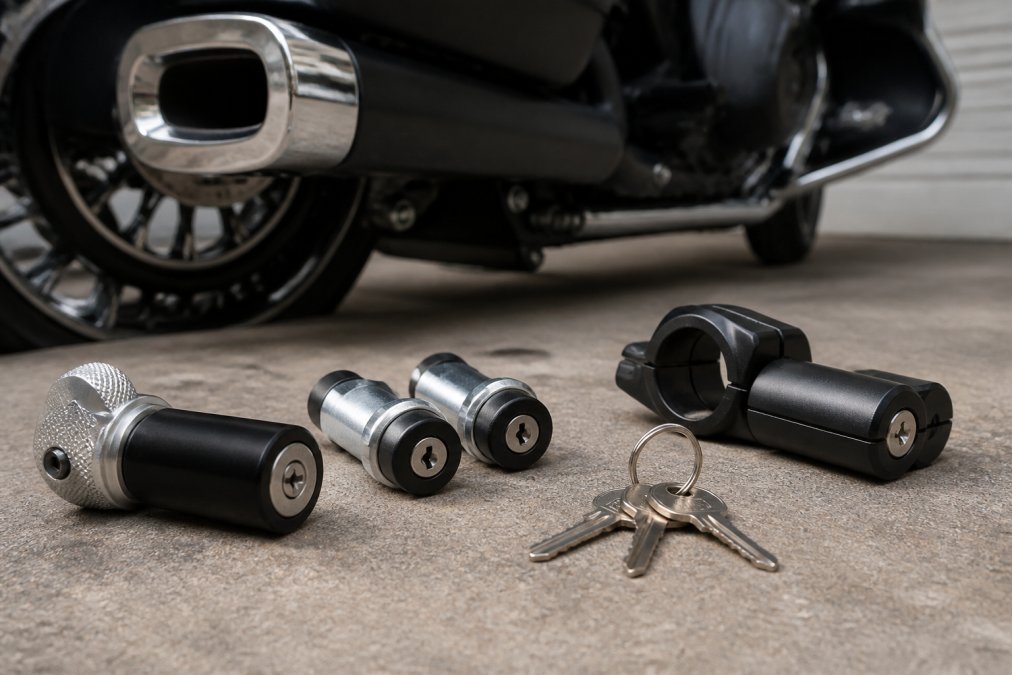
Finding a dependable Hogworkz alternative for touring bikes starts with understanding what each option actually protects. Robert Becker Design builds theft prevention hardware specifically for saddlebags, seats, and mounting arms on Harley-Davidson and Indian touring models, which is a narrower focus than most aftermarket brands take.
The table below summarizes how the main security and bodywork options compare for touring riders.
| Option | Primary Focus | Best For | Warranty Support |
|---|---|---|---|
| Robert Becker Design | Saddlebag, seat, and mount locks | Theft prevention on accessories | Direct from manufacturer |
| Harley-Davidson OEM | Factory parts and security | Riders wanting dealer support | Authorized dealership network |
| Advanblack | Color-matched bodywork and tour packs | Aesthetic upgrades | Standard aftermarket terms |
| Generic hardware kits | Universal brackets and bolts | Budget bolt-on fixes | Varies by seller |
Security hardware is not the same product category as bodywork. That distinction matters more than most buyers realize.
Why Riders Look for a Hogworkz Alternative
Riders search for a Hogworkz alternative for touring bikes for three reasons: fitment gaps on newer models, hardware that loosens under vibration, and a desire for locks engineered around a specific accessory rather than a universal bracket.
A common mistake is buying security hardware based on photos alone. What most guides miss is that a lock only works if the mounting point it attaches to is rigid. On a touring motorcycle, saddlebag guards, seat posts, and GPS mounting arms all flex at different rates. A bracket that fits one model year may sit millimeters off on the next.
That is the real problem a Hogworkz alternative needs to solve. Not looks. Fitment, hardware quality, and whether the lock survives a full season of vibration.
Harley-Davidson Saddlebag Security Locks Compared
A Harley-Davidson saddlebag security lock is a physical deterrent that clamps or bolts over the bag's latch or mounting point to stop quick removal. The best designs use hardened hardware and fit both stock and aftermarket bags without drilling.
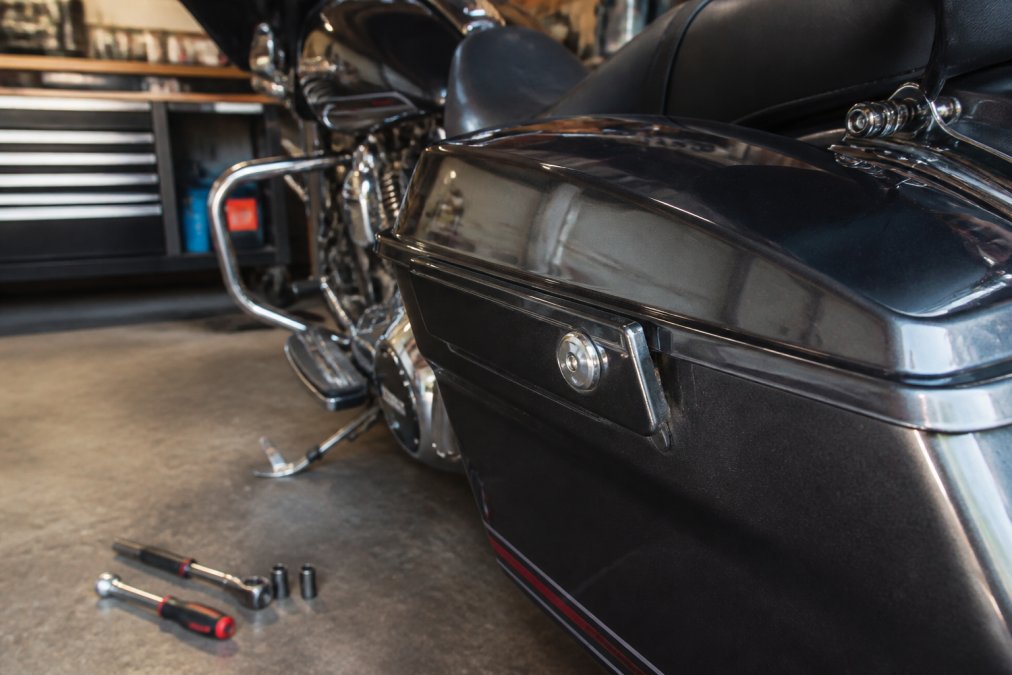
Three approaches dominate the market:
- OEM latch locks: Factory fitment, dealer-backed warranty, highest price point.
- Specialty security locks: Built for a specific bag or seat, often by smaller manufacturers.
- Universal hardware kits: Cheapest, but fitment and vibration resistance vary widely.
Robert Becker Design sits in the second category. The company has made locks for saddlebags, seats, and mounting arms since 2012, and its products are designed by a Harley rider rather than a generic parts supplier. That background shows in the fitment details, particularly on detachable hardware where clearance issues are common.
For riders comparing lock options directly, NHTSA motorcycle safety guidance is worth reviewing alongside any hardware purchase, since secure accessories also reduce the risk of parts shifting at speed.
Robert Becker Design Security Reviews: What Riders Report
What riders report about Robert Becker Design security reviews comes down to one theme: the locks do what a lock should do, and installation does not require a shop visit.
The Kradellock line is the most discussed product. Riders who have had a GPS unit stolen before tend to ask the same question: how confident should they be that it will not happen again? The honest answer is that no lock stops a determined thief with unlimited time and power tools. What a good lock does is remove the easy opportunity, which is how most thefts actually happen.
That framing matters. Security hardware is not about making a bike unstealable. It is about making one bike a worse target than the next one down the row.
Fitment and Compatibility Across Touring Models
Fitment is where most aftermarket security hardware fails, and the failures cluster around a handful of known trouble spots rather than random variance. A lock that clears a 2019 Road Glide may foul the mounting points on a Tri Glide, a 2021-and-later Road Glide with the refreshed saddlebag latches, or an Indian Roadmaster with the stock detachable hardware.
Compatibility breaks down by accessory type, and each type has its own clearance rule:
- Saddlebag locks: Fit stock and most aftermarket bags, but on detachable saddlebag hardware the gap between the bag's mount and the guard rail is the deciding measurement. Measure that gap before ordering; a lock that sits flush against a rigid surface resists prying far better than one floating on a bracket.
- Seat locks: Cover factory and aftermarket seats, including solo seats. Custom seat pans with non-stock bolt spacing usually need a different bracket, so confirm the pan's mounting pattern first.
- GPS mount locks: Wide compatibility with Garmin zumo, Montana, and Monterra units. The lock protects the cradle-to-arm interface, which is the point most thieves attack.
- Mounting arm locks: Protect the arm itself, often the weakest link on a detachable setup because the arm flexes independently of the frame.
A pattern worth knowing: fitment problems rarely show up at the lock body. They show up where the lock meets a surface that flexes at a different rate than the one the lock was designed around. Saddlebag guards, seat posts, and GPS mounting arms all flex differently, so a bracket that fits one model year can sit millimeters off on the next.
If you have already added custom mounting points, measure the gap between the lock body and the frame before ordering, and check whether the lock's mounting holes align with the existing hardware rather than requiring new drilling. Drilling into a bag or a guard rail is the one modification that is hard to reverse and easy to regret.
For riders comparing lock options directly, NHTSA motorcycle safety guidance is worth reviewing alongside any hardware purchase, since secure accessories also reduce the risk of parts shifting at speed.
Installation, Hardware, and What You'll Need
Bolt-on installation is the standard for touring security hardware, and most riders handle it with basic tools. Expect to need a socket set, hex keys, and thread locker. What separates a lock that survives a season from one that loosens in weeks is not the tool list, it is the sequence and the torque discipline.
A structured install for a single lock runs like this:
- Dry-fit first. Seat the lock against its mounting surface with the bolts finger-tight. Confirm the lock body sits flush and does not foul the bag, seat, or guard rail through the full range of motion.
- Check clearance at full lock and full compression. Turn the bars and compress the suspension if the lock sits near a moving part. A lock that clears at rest can contact under load.
- Apply thread locker to the bolt threads, not the holes. Medium-strength (blue) thread locker is the right choice for hardware you may need to remove; high-strength (red) is for permanent installations and makes future service difficult.
- Tighten in a cross pattern. Snug the bolts in an alternating pattern rather than one at a time, which keeps the lock body from cocking against the mounting surface.
- Re-check after the first ride. Vibration settles hardware. Re-torque after the first ride and again after the first long trip.
A common mistake is skipping the thread locker. Vibration resistance is the single biggest factor in whether a lock stays tight over a full riding season. Without it, bolts back out and the lock loosens at exactly the wrong moment.
Setup typically takes under an hour for a single lock. If you are adding several, do them one at a time so you can test fitment before tightening anything down.
The long-term angle most guides skip. Initial impressions tell you almost nothing about how a lock holds up. The wear points that matter over 12 months are the bolt threads, the lock body's contact surface, and the finish. Thread locker residue, repeated removal and reinstallation, and constant vibration all take a toll. Check the lock body for finish wear where it contacts the mounting surface, and re-inspect the bolts at the start of each riding season. A lock that has developed a shiny wear patch at a contact point is telling you the surface is moving, re-torque it before it loosens further.
Cost, Warranty, and Long-Term Value
Cost is where buyers hesitate most. The instinct is to compare a security lock against a cheaper universal kit and assume the difference is branding.
It is not. The gap usually comes down to material quality, hardware kit completeness, and whether the manufacturer will still be around when a part fails. Robert Becker Design has been building these products since 2012, which matters when you are relying on a small company for support.
Long-term value also depends on what you are protecting. A GPS unit, a set of aftermarket bags, and a custom seat can each cost more to replace than the lock that guards them. Pricing for Robert Becker Design products depends on the specific lock and model, so check the current listings on the website rather than relying on older forum posts.
For broader context on motorcycle theft trends, National Insurance Crime Bureau vehicle theft data tracks how and where bikes and accessories get taken, which helps riders prioritize what to lock first.
Touring riders invest heavily in accessories, and that investment is only as safe as the hardware holding it in place. Robert Becker Design builds theft prevention locks specifically for saddlebags, seats, and mounting arms on Harley-Davidson and Indian touring models, with Garmin GPS compatibility and a design background rooted in riding. If you want hardware that fits the way it should and stays tight season after season, get started with Robert Becker Design and secure the parts that are hardest to replace.
Frequently Asked Questions
Which brand is better, Hogworkz or Advanblack for touring accessories?
Both brands serve different needs. Advanblack focuses on color-matched bodywork and tour packs with factory-matched paint, while Hogworkz offers a broader mix of lighting and aesthetic parts. Neither specializes in theft prevention hardware. If security is your priority, look for a dedicated lock manufacturer rather than a general aftermarket accessories brand.
Are there better alternatives to Hogworkz for touring bike security?
Yes. A Hogworkz alternative for touring bikes should focus on theft prevention rather than aesthetics. Robert Becker Design makes locks specifically for saddlebags, seats, and GPS mounting arms on Harley-Davidson and Indian touring models. Their hardware is engineered for vibration resistance and long-term outdoor exposure, which matters more for security than paint finish or styling.
What are the most reliable aftermarket security locks for Harley-Davidson saddlebags?
Look for locks with durable construction, custom fitment for your specific model, and mounting hardware that resists cutting and prying. Robert Becker Design has made Harley-Davidson saddlebag security locks since 2012, with models that fit both stock and aftermarket bags. Check that the lock works with your existing mounting points before buying.
Is Hogworkz a good brand?
Hogworkz is well known for aftermarket lighting, bodywork, and aesthetic upgrades for Harley-Davidson touring motorcycles. Riders often praise their LED lighting and color options. However, their product line does not focus on theft prevention hardware. If you need security locks for saddlebags, seats, or GPS units, a specialized manufacturer is a better fit.
How do Robert Becker Design security products compare to mass-market alternatives?
Robert Becker Design security reviews often highlight the company's focus on motorcycle-specific fitment. Unlike generic locks, their products are designed by riders for touring models, with dedicated solutions for saddlebags, seats, and Garmin GPS mounts. The trade-off is a narrower product range compared to brands that sell everything from lighting to bodywork.